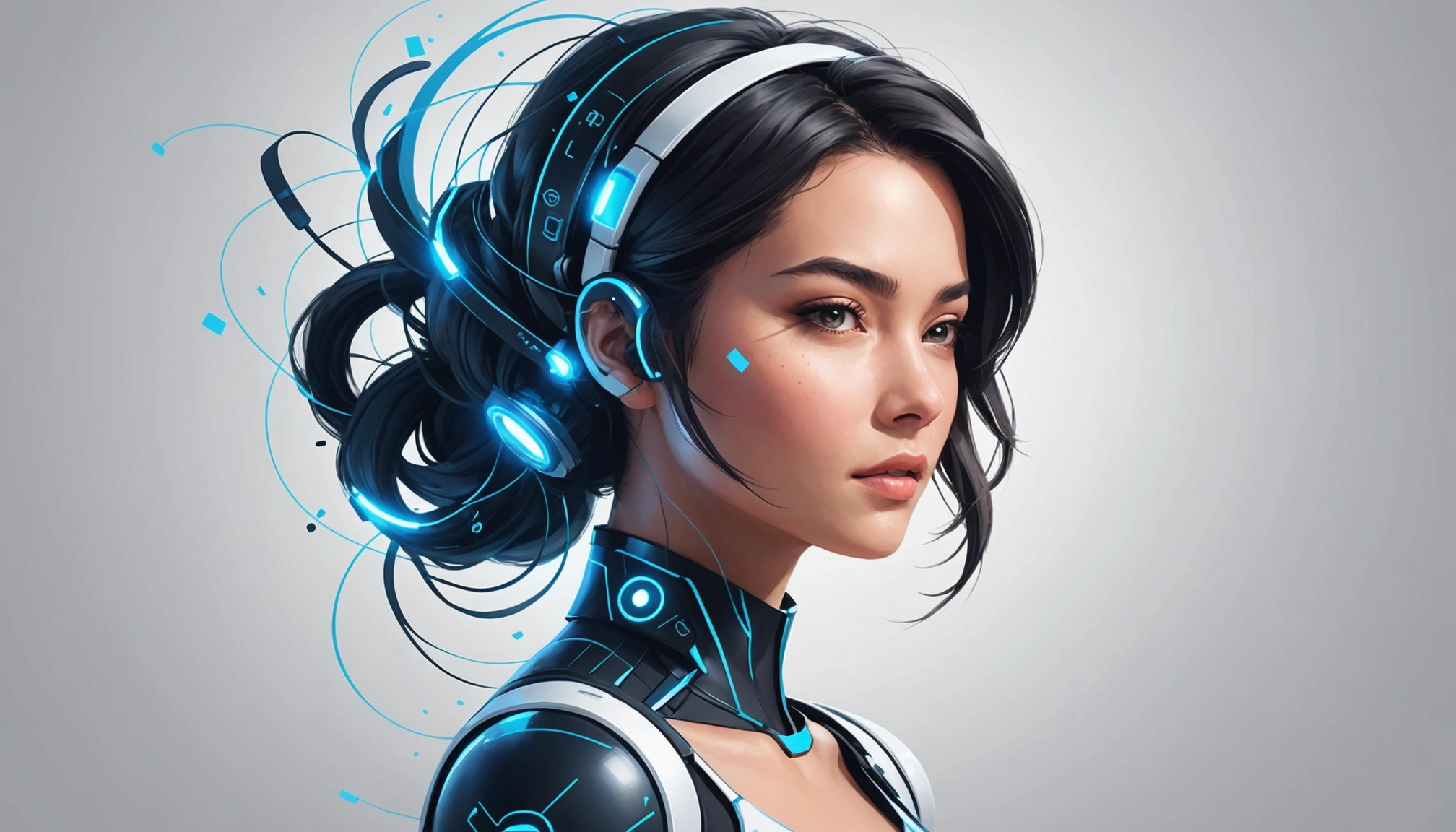
Your app’s first impression often happens visually. Think about it—before users download, they see screenshots, icons, and promotional images that either convince them to click or scroll away. App marketing requires constant content creation, and producing fresh, eye-catching visuals can drain your resources faster than you can say "retention rate."
That’s where AI art engines have transformed the game. I’ve seen app marketers slash creative production time while boosting engagement rates by leveraging these powerful tools. The best part? You don’t need a design degree or massive budget to create stunning visuals that stop thumbs from scrolling.
After testing dozens of tools with our app marketing clients, we’ve identified the absolute game-changers. These aren’t just neat tech toys—they’re practical solutions to real marketing challenges. Let’s dive into the engines that deliver actual results for app promotion.
Generating App Icons Without Design Episodes
- DALL-E
OpenAI’s powerhouse creates eerily accurate interpretations of your text prompts. When our fintech client needed icons that conveyed "security meets simplicity," DALL-E delivered options that would have taken a freelancer days to produce. The key is crafting detailed prompts that include style references, emotional tones, and app context. I’ve found that describing your app’s user persona helps DALL-E create icons that resonate with your target audience.
- Midjourney
The artistic quality of Midjourney outputs makes it perfect for entertainment and lifestyle apps. Its strength lies in creating cohesive series of images—not just standalone icons. For that meditation app we launched, Midjourney generated a visually consistent set of icons based on calming imagery that maintained brand harmony across different app sections. Setting consistent parameters across your prompt series creates this visual cohesion automatically.
- Artbreeder
Unlike generative engines that create from scratch, Artbreeder lets you "breed" and evolve existing images. It’s brilliant when you have a decent icon concept but need to explore variations quickly. Our gaming client loved this feature for creating different character expressions that matched various app states. You can adjust parameters like color intensity, style blending, and facial features until you find that perfect combination that speaks to your users.
- DeepArt
When you need to transform standard app screenshots into artistic previews, DeepArt excels by applying over 200 art styles. This works wonders for creative apps where you want to showcase the aesthetic possibilities. We once transformed basic photo editing app screenshots into impressionist artwork that caught the attention of design publications, dramatically increasing organic visibility.
Producing Screenshots That Actually Convert
- Stable Diffusion
The open-source darling offers impressive customization when you’re willing to get technical. App marketers who need to add elements to screenshots—like realistic phones showing your app in action—find Stable Diffusion invaluable. I’ve guided our clients to create composite images showing their apps on devices in lifestyle contexts that simply couldn’t be photographed easily.
- RunwayML
This tool shines for creating dynamic elements within your screenshots. Use it to add realistic motion blur, lighting effects, or animated elements that make your static app store screenshots pop. Our productivity app client saw a 27% increase in conversion after adding subtle motion effects to their screenshots—users lingered longer, captivated by the visual interest.
- NightCafe
Perfect for creating stylized backgrounds that make your app screenshots stand out. I particularly love its ability to generate themed collections with consistent palettes. Our travel app client achieved remarkable results with NightCafe-generated destination backdrops for their screenshots—they looked like they were using expensive location photoshoots rather than AI.
- Artisto
While primarily mobile-focused, Artisto offers quick style transfers that add artistic flair to your screenshots. When you need to process dozens of screenshots for A/B testing different visual approaches, Artisto’s speed becomes a competitive advantage. We’ve processed entire screenshot suites in the time it would take to stylize just one using traditional design tools.
Social Media Assets That Stop Scrolling
- StyleGAN
Creating faces and characters for social media campaigns becomes effortless with StyleGAN. Our lifestyle app client used it to generate diverse influencer-style imagery without the logistical nightmares of photoshoots. The key is understanding the latent space navigation—something that becomes intuitive with practice.
- GanBreeder
Evolutionary image generation makes GanBreeder perfect for refining social content through iteration. Start with a concept, then breed and select variations until you find that perfect visual that exemplifies your app’s value proposition. We’ve found their community engagement metrics increase when social posts feature these uniquely evolved images versus stock photography.
- Pixray
For creating computer-generated pixel art that resonates with retro gaming app audiences, Pixray is unmatched. The ability to control each pixel through prompts gives you precision that other engines lack. Our retro-style mobile game client created an entire social campaign using Pixray-generated art that perfectly matched their app’s aesthetic, building stronger brand recognition.
- Deep Dream Generator
The psychedelic, mind-bending visuals from Deep Dream Generator have their place—especially for apps targeting creative or alternative audiences. Our music app client used these distinctive visuals for campaign materials that stood out in saturated social feeds. While not for every brand, when matched to the right audience, these images create memorability that’s hard to achieve through conventional design.
Interactive Marketing Materials
- StarryAI
Creating animated promotional content becomes accessible with StarryAI’s motion capabilities. Our educational app client used it to produce short animated clips demonstrating features within static social posts—these generated significantly higher engagement than traditional image posts. The learning curve is forgiving, making it perfect for marketers without animation backgrounds.
- WOMBO Dream
For creating dreamy, ethereal backgrounds that work beautifully in app trailers and promotional videos, WOMBO Dream delivers exceptional results with minimal effort. I’ve found its outputs particularly effective for wellness and meditation apps where the aesthetic needs to match the user’s expected experience. The tool’s simplicity hides some powerful customization options under the hood.
- Lensa AI
While primarily known for its selfie enhancements, Lensa’s background customization makes it valuable for app marketers who need to create personalized promotional content at scale. Our beauty app client used Lensa to generate product demonstration images featuring diverse skin tones—the customization was granular enough to target very specific demographic segments in different ad campaigns.
As you explore these engines, you might wonder how they compare to full design agencies. The difference comes down to speed and scale—where a traditional workflow might produce 10 variations in a week, AI can generate 200 in an afternoon, giving you more options to test and refine based on user feedback.
Key Observation: The most successful app marketers treat AI-generated art as starting points, not final products. Every image from these engines benefits from refinement—adjust colors, add text overlays, or composite elements to create truly polished marketing materials.
Building a Sustainable AI Art Workflow
Quick Tip: Prompt Architecture
Structure your prompts with: [Subject] + [Context] + [Style] + [Technical specifications]. Example: “A personalized budget tracking app interface shown on a smartphone, clean minimalist design with vibrant accent colors, rendered at 1080×1920 pixels, soft natural lighting.”
Strategic Highlight: Consistency Method
Maintain visual consistency across your marketing by recording successful prompt parameters. Create a reference document that captures the settings that produced your best results—this becomes your brand’s visual DNA for AI generation.
Insider Observation: Ethical Considerations
Always verify that your AI-generated marketing materials don’t inadvertently reproduce copyrighted or problematic content. Our team recommends running final outputs through reverse image searches before deployment to protect your app’s reputation.
Testing Framework Implementation
Implement a tiered testing approach: generate concepts → refine top performers → create variations → A/B test in market. This systematic process has yielded conversion improvements of 15-35% for our clients across different app categories.
I’ve noticed that teams who integrate AI art into their workflow see the most dramatic results when they approach it as a new skill rather than a replacement tool. The learning curve varies by engine, but the investment in mastering even 2-3 of these tools typically pays dividends within the first month of consistent use.
The conversation around AI-generated content often touches on authenticity concerns. Here’s my take: authentic marketing focuses on solving real user problems, regardless of how the visuals are created. AI enables you to reach more users with your authentic message more efficiently.
For app marketers looking to scale their visual production, leveraging specialized services can accelerate your results. At Proxyle, we’ve developed specific workflows for clients incorporating AI art generation into comprehensive growth strategies. Our text to image techniques have helped apps in competitive niches stand out in overcrowded marketplaces.
Consider this question: if you could create 10x more visual marketing assets without increasing your budget or headcount, how would that transform your app’s growth trajectory? The engines listed above make this scenario increasingly realistic for marketing teams of all sizes.
The landscape continues to evolve rapidly. What’s cutting edge today becomes standard practice tomorrow. Building familiarity with these tools now positions your app marketing efforts advantageously as AI-generated visuals become the norm rather than the exception.
Key Points
The most effective AI art engines for app marketing balance quality, customizability, and production speed. Your ideal selection depends on your app category, target audience, and marketing channels. Don’t feel pressured to master all 15—start with 2-3 that align with your immediate needs.
Remember that AI-generated visuals perform best when guided by marketing strategy, not technical capability alone. The most successful campaigns we’ve overseen start with clear user psychology insights, then translate those understandings into visual assets using these powerful engines.
As you implement these tools into your workflow, track which visuals drive the strongest performance metrics. These data points will inform your evolving approach to AI-assisted app marketing, creating a feedback loop that continuously improves your results.
Ready to transform your app’s visual marketing but unsure where to start? We at Proxyle regularly help app marketing teams implement these AI image generator workflows tailored to their specific growth objectives. The right combination of strategy, tools, and expertise can dramatically accelerate your app’s market presence—let’s explore how these engines can work for your unique situation.