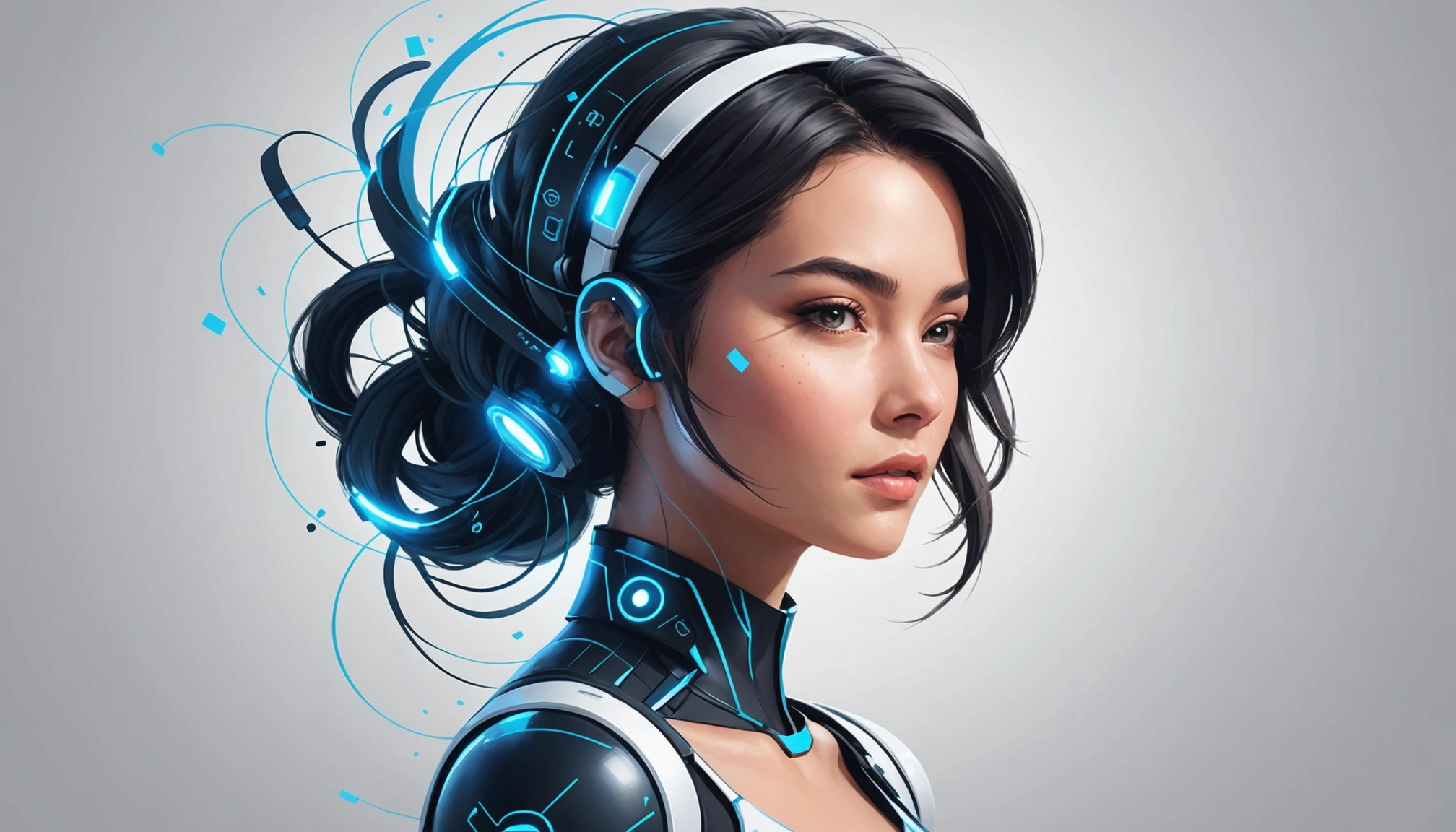
The world of publishing design has been completely transformed with the arrival of AI art engines. These powerful tools are changing how designers create, iterate, and produce visual content for books, magazines, and digital publications. I’ve personally tested dozens of these platforms to find the ones that truly deliver professional results for publishing work. Let me share what I’ve discovered about the top AI art engines that are making waves in the industry today.
Professional-Grade AI Art Powerhouses
1. Midjourney
Midjourney continues to dominate the professional design space with its stunningly artistic outputs. I’ve found its latest versions particularly impressive for book cover concepts and magazine illustrations. The level of artistic nuance it achieves is still unmatched, especially for fantasy, sci-fi, and abstract themes. In my experience, its understanding of lighting and composition makes it perfect for catching a publisher’s eye with truly unique visuals.
2. DALL-E 3
DALL-E 3 has dramatically improved its text rendering capabilities, which is a game-changer for publishing design. We often see clients needing specific text within images, and DALL-E 3 handles this better than most alternatives. The connection to ChatGPT makes refining your prompts incredibly intuitive—perfect for designers who need precise control over their generated art.
3. Stable Diffusion
Stable Diffusion offers unprecedented customization and control for technical publishing needs. Its open-source nature means you can train models specifically for your publishing house’s visual style. I’ve seen publishers save thousands by creating consistent branded visuals across multiple publications without hiring additional designers.
4. Adobe Firefly
Adobe Firefly integrates seamlessly into existing publishing workflows, which is why we recommend it to most of our enterprise clients. Its training on Adobe Stock means commercially safe images for your publications. I’ve found it particularly exceptional for maintaining visual consistency across series of books or magazine issues.
5. Canva Magic Studio
For small publishing teams, Canva Magic Studio offers perhaps the best balance of quality and accessibility. It’s perfect for self-publishers who need professional-looking covers without a steep learning curve. Our clients at Proxyle have reported dramatically reducing their design timelines when incorporating this tool into their workflow.
Budget-Friendly Solutions for Every Publisher
6. Leonardo.Ai
Leonardo.Ai provides exceptional value with its generous free tier and affordable paid plans. It’s my go-to recommendation for indie publishers who need high-quality illustrations without breaking the bank. The platform excels at creating consistent character appearances across multiple images—essential for children’s books and series publications.
7. NightCafe Creator
NightCafe offers more artistic styles than most competitors, making it perfect for literary journals and art books. I particularly love its community features where you can see prompts and techniques others have used successfully. It’s an excellent choice when you need that perfectly evocative book cover that sets just the right mood.
8. DreamStudio
DreamStudio provides stable diffusion’s power with a more user-friendly interface and pricing structure. For technical publishers who need diagrams, charts, and explanatory illustrations, this is often the most cost-effective solution. The customization options allow for precisely adapting visuals to match your publication’s established style guide.
9. SeaArt
SeaArt has quickly become one of my favorite recommendations for digital publishing projects. Its anime and illustration strengths make it perfect for manga adaptations and graphic novels. The platform’s clean interface means less technical knowledge is required to get started—a huge plus for publishers who aren’t tech-savvy.
10. Pixray
Pixray offers unique creative filters and effect combinations that can distinguish your publication in a crowded market. I’ve used it successfully for poetry collections and literary magazines seeking that extra artistic touch. Its text manipulation features are particularly useful for creating typographic art for special edition covers.
Specialized Tools for Specific Publishing Needs
11. NovelAI
NovelAI is specifically designed for storytelling applications, making it ideal for book interior illustrations. I’ve found it particularly adept at generating consistent character representations—a common struggle in series publishing. The platform understands narrative context better than general-purpose engines, resulting in illustrations that truly complement your text.
12. Artbreeder
Artbreeder’s approach of "breeding" images together makes it perfect for evolving a concept through multiple iterations. For cover design processes where art directors need to explore nuanced variations, this tool is unmatched. In my experience, it dramatically reduces the back-and-forth between publishers and designers.
13. StarryAI
StarryAI excels at creating the kind of atmospheric, dreamy imagery that works beautifully for certain book genres. I’ve recommended it to clients publishing poetry, metaphysical nonfiction, and certain types of memoir where mood is paramount. The platform’s simplicity means authors can participate directly in creating their cover art.
14. DeepDream Generator
DeepDream creates surreal, psychedelic imagery that can set certain publications apart from mainstream offerings. While not for every publisher, it’s perfect for experimental literary journals and specialty art books. The unique aesthetic it produces can become part of a publication’s brand identity—something increasingly valuable in today’s market.
15. Runway ML
Runway ML offers both image generation and editing tools in one integrated platform—perfect for publishers who need comprehensive content creation. Its advanced features include background removal and style transfer, which can streamline post-production significantly. We often recommend it to clients who publish both print and digital content and need tools that serve both mediums.
Quick Win: Start with a concept rather than a finished image in mind. AI art engines excel at exploring variations of a core idea, helping you discover visual directions you might not have considered initially.
Choosing the Right Engine for Your Publishing Needs
When selecting an AI art engine for publishing, consider factors beyond just image quality. This is where experience really matters—I’ve seen publishers choose powerful tools that ultimately don’t fit their workflow or commercial needs. Think about licensing terms, text rendering capabilities, and styling consistency features specific to your publication type.
For book covers, you’ll want something with excellent composition and atmospheric quality. Magazine layouts often require engines with strong text generation within images. Technical publications may prioritize accuracy and the ability to generate diagrams or clear explanatory visuals.
I’ve noticed that the most successful publishers don’t rely on a single AI art engine. They maintain a curated toolkit, selecting the right engine for each specific project. This flexible approach prevents your publications from developing a repetitive look that can happen when you use only one AI tool extensively.
Step 1: Define your visual concept and key elements needed for the publication
Step 2: Select 2-3 AI art engines best matched to your specific requirements
Strategic Implementation Tips
The Proxyle Approach to AI Art Integration
Our clients worldwide benefit from a systematic methodology when implementing AI art engines into their publishing workflow. This ensures consistency while maximizing creative output.
Many publishers wonder whether AI art will replace human artists entirely. From my perspective working with various publishing houses, the reality is more nuanced. The most successful implementations use AI as a collaborative tool rather than a replacement. Human art directors guide the AI results, curate the best outputs, and apply finishing touches that give publications their distinctive professional edge.
Consider how AI fits into your broader publishing strategy. Are you looking to reduce costs, accelerate production times, or create entirely new visual approaches? Being clear about your goals will guide which engines deserve your investment and attention. I’ve seen publishers save up to 40% on design costs while actually improving visual quality when they implement AI tools thoughtfully.
Orchestrating Your AI Art Workflow
The most effective publishing houses don’t just use AI art—they build complete systems around it. At Proxyle, we help clients create streamlined workflows that transform how their publications look.
When you’re exploring these engines, remember that prompt crafting is a genuine skill worth developing. The professionals I know who get the best results treat prompt engineering as an art form itself. I’ve seen what might look like average AI art transform into publication-worthy imagery through thoughtful prompt refinement.
Looking Ahead in AI-Powered Publishing
The landscape of AI art engines evolves constantly, with new advancements appearing every month. From our experience at Proxyle, the publishers who benefit most are those who remain adaptable and open to experimenting with emerging tools. We regularly help our clients test and integrate new solutions that might revolutionize specific aspects of their publication process.
Consider setting aside time each quarter to explore one new platform or feature. This periodic exploration keeps your publications fresh and prevents your visual approach from becoming predictable. I’ve watched formerly conservative publishers develop cutting-edge visual identities through this kind of deliberate experimentation.
If you’re just beginning with AI art for publishing, start with one of the more user-friendly options like Canva Magic Studio or Leonardo.Ai. These platforms offer gentler learning curves while still producing professional-caliber results suitable for publication. As you develop confidence and specific needs, you might graduate to more specialized tools.
Remember that the legal landscape around AI-generated imagery continues to evolve, particularly for commercial publishing. Always check the current terms of service and licensing agreements for any platform you’re considering. We advise our clients to maintain documentation of their AI art creation processes, as this increasingly provides valuable protection against future claims.
Bottom Line
The right AI art engines can transform your publishing design process, but success depends on matching tools to your specific needs. Start with proven platforms like Midjourney or our text to image solution for high-profile projects, then explore specialized options as your needs evolve. The most successful publishers.combine multiple engines strategically based on each project’s requirements.
At Proxyle, we’ve helped numerous publishing houses develop customized AI art workflows that maintain quality while reducing costs and turnaround times {"}—the perfect balance in today’s competitive landscape. If you’re considering integrating AI art into your publishing process, we’d be happy to assess your specific needs and recommend the ideal combination of tools and workflows for your publications.
What kind of publications are you creating? More importantly, what visual identity do you want them to have? With the right AI art engines in your toolkit, the possibilities are truly expanding faster than ever before.