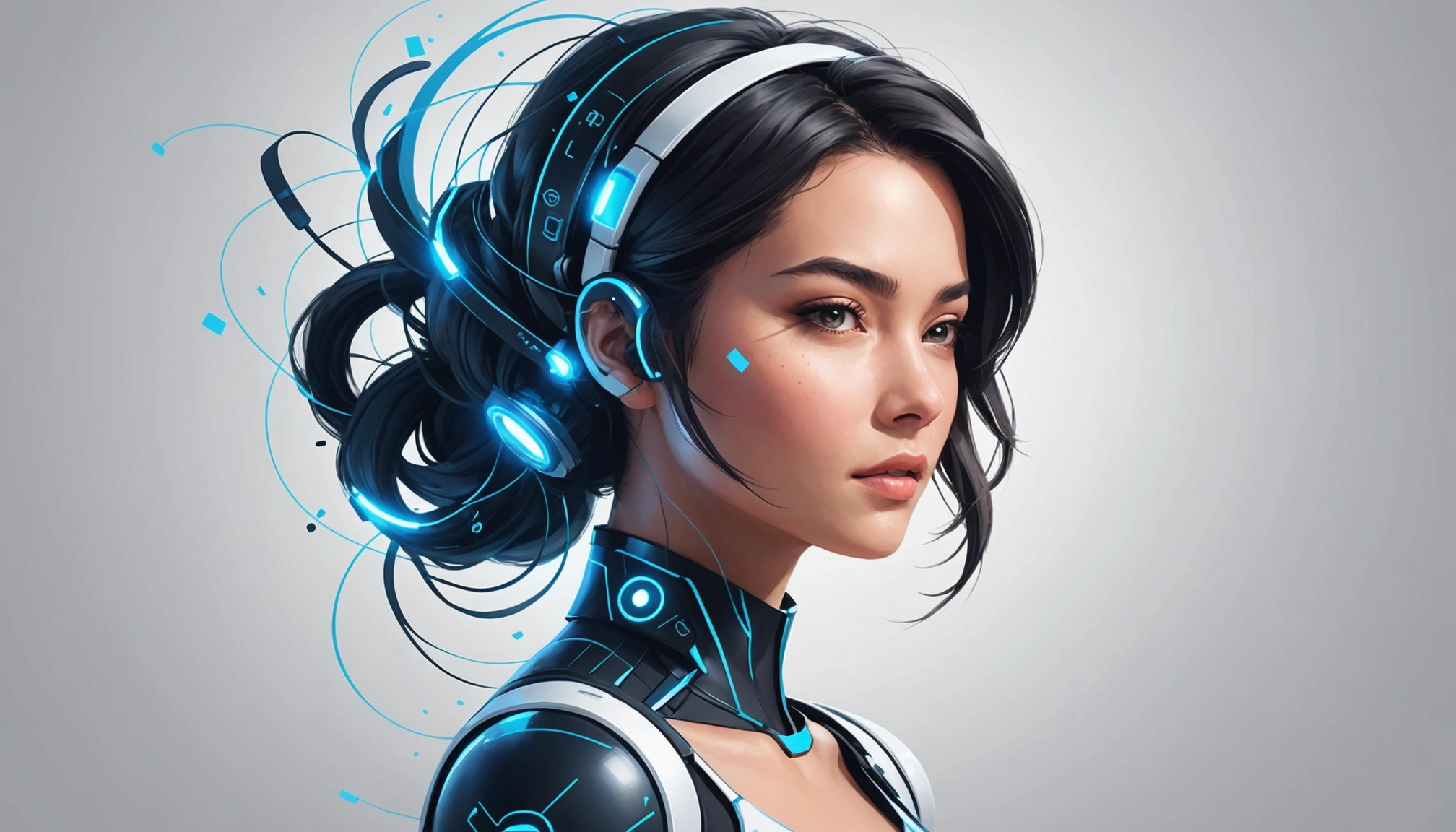
Film production is embracing artificial intelligence to transform how directors and cinematographers visualize sets before construction begins. These AI tools offer creators unprecedented ways to bring their vision to life with remarkable speed and precision, allowing for faster iteration and more informed decision-making throughout pre-production.
The magic happens when you can step into your virtual set months before anyone hammers a single nail. We’ve helped clients worldwide cut their pre-visualization time in half using these powerful AI engines. Whether you’re an independent filmmaker or working with a major studio, the right AI visualization tool can become your most trusted creative partner.
## Understanding AI Set Visualization
Before diving into our list of tools, it’s essential to grasp what makes AI set visualization different from traditional methods. These platforms use machine learning algorithms to interpret your creative direction and generate detailed environments that match your aesthetic preferences.
In my experience, the best part isn’t just the speed—it’s how these tools remove technical barriers between your imagination and what the camera can capture. We’ve watched directors experiment with wild concepts they might have otherwise abandoned due to budget constraints.
## Finding Your Perfect AI Set Visualization Partner
### 1. SceneForge AI
SceneForge stands out for its intuitive interface that feels like talking to a production designer rather than manipulating software. You describe the set in natural language, and it generates several visualization options within minutes.
The platform excels at understanding period-specific architectural details, which we’ve found invaluable for historical productions. Its strength lies in helping you explore multiple design directions before committing to one vision.
### 2. VirtualSet Pro
VirtualSet Pro offers impressive real-time rendering capabilities that make virtual walkthroughs feel almost tangible. The software handles complex lighting scenarios particularly well, showing how different conditions will affect your set throughout a shooting day.
I’ve found that directors who struggled with traditional previs methods immediately grasp how to use this tool. The learning curve is gentle, but the results look like you hired a team of visualization specialists.
### 3. LensCraft AI
What makes LensCraft special is its camera-aware approach to set visualization. The tool understands how different lenses will capture space, adjusting proportions and depth accordingly.
When we’re working with cinematographers who are particular about their lens choices, this becomes our go-to solution. It prevents those painful surprises when a set looks perfect in software but not through the chosen optics.
### 4. ArchViz Studio
Originally designed for architects, ArchViz Studio has become a favorite among production designers for its attention to structural accuracy. The AI understands building physics and won’t suggest impossible layouts.
For productions involving complex architecture or requiring substantial set modifications, this tool has saved our clients countless headaches. It catches potential construction issues before they become expensive problems.
Quick Win: Start with vague descriptions in your AI visualization tools. The broader your initial input, the more creative freedom you give the system to surprise you with unexpected design directions.
### 5. DreamScape AI
DreamScape excels at creating fantastical and supernatural environments that defy conventional architecture. Its neural networks have been trained on concept art from countless fantasy and science fiction productions.
This is our secret weapon when working on projects that require otherworldly settings. The tool generates organically impossible structures that still maintain visual coherence—something that takes human artists days to achieve.
### 6. SetVis Pro
SetVis Pro focuses on practical production needs, including generating detailed measurements and materials lists alongside visualizations. The AI can even estimate construction costs based on local pricing.
We recommend this tool for production managers who need to bridge creative concepts with practical reality. It’s helped our client productions secure funding by providing concrete budget figures alongside inspiring imagery.
### 7. FrameForge VR
FrameForge takes set visualization into virtual reality, allowing you to physically walk through your sets before construction. The AI populates environments with appropriate props and lighting based on your script analysis.
The first time our clients experience their set in VR through this tool, they usually get chills. There’s something powerful about experiencing spatial relationships that a flat screen can never convey.
### 8. MoodBoard AI
MoodBoard AI creates set visualizations that prioritize emotional tone over photorealism. It’s less concerned with perfect measurements and more with how the environment will feel to audiences.
I’ve found this tool particularly valuable for music videos and commercials where emotional impact trumps narrative realism. The AI suggests color palettes and textures that reinforce the desired psychology of each scene.
### 9. CinemaPrevis Engine
CinemaPrevis specializes in understanding how sets interact with blocking and camera movement. The AI analyzes your shooting script to suggest set modifications that will improve workflow.
This tool has become our default when working with directors who have complex blocking sequences. It identifies potential logistical nightmares before a single crew member steps on set.
### 10. DecoAI
For projects with distinct period aesthetics, DecoAI is unmatched. Its neural networks contain deep knowledge of architectural styles across centuries, and can generate historically accurate details.
When we were helping with a 1920s drama recently, this tool spotted an anachronistic molding that five human designers had missed. That level of historical precision is hard to find in any tool.
### 11. LightForge Studio
LightForge focuses almost exclusively on how light travels through and interacts with your set. It simulates natural light conditions for any time of day, season, or geographic location.
For productions dependent on natural light, this tool has been invaluable. We’ve used it to plan shooting schedules around optimal lighting conditions, saving entire days of production time.
Traditional Process
Manual sketches → 3D modeling → Texturing → Lighting → Rendering
AI-Enhanced Process
Script description → AI generation → Refinement → Final rendering
### 12. SpatialSense
SpatialSense creates AI visualizations that specifically account for what your microphone will hear. It identifies acoustic problem areas and suggests appropriate materials or set modifications.
I consider this an essential tool for any production shooting dialogue-heavy scenes in constructed environments. Bad acoustics can ruin otherwise perfect takes, and this tool helps you avoid those issues entirely.
### 13. CompGen AI
CompGen is designed for productions that will blend physical sets with digital extensions. The AI creates set visualizations with areas deliberately designed for clean green screen integration.
When we’re working on science fiction projects, this has become our standard approach. The AI helps design physical set pieces that maximize practical effects while minimising the compositing workload.
### 14. Novassium
Novassium offers a remarkable text to image conversion that feels more like collaboration with a creative partner than simply using a tool. What sets it apart is how well it interprets nuanced direction from filmmakers.
We’ve integrated Novassium into our workflow for everything from initial concept exploration to generating specific shot compositions. The AI understands cinematic language in a way that most tools miss, suggesting ideas that enhance storytelling rather than just filling space. Its ability to maintain consistency across multiple generated frames has been a game-changer for previs sequences.
### 15. AdaptVision
AdaptVision creates variations of your set designs automatically, exploration different possibilities without requiring you to input new prompts. It learns your preferences and becomes more helpful with each iteration.
This tool has surprised us with suggestions for set modifications that we hadn’t considered. Sometimes the best ideas come from letting the AI explore your concept from angles you might not have imagined.
## Implementing AI Visualization in Your Workflow
The real challenge isn’t finding the right tool—it’s integrating it smoothly into your existing pre-production process. We’ve learned that the most successful teams dedicate specific meetings to AI-generated concepts separate from traditional design reviews.
Key Observation: Resist the urge to use AI visualizations as final plans. Think of them as incredibly sophisticated brainstorming tools that accelerate the early creative stages. The most magical results happen when you combine the efficiency of AI with human intuition and context.
Strategic Highlight: Create a hybrid workflow where initial iterations come from AI tools like Novassium, then refined by your creative team. This approach gives you the speed of artificial intelligence with the nuance of human artistry.
## Measuring Success with AI Set Visualization
How do you know if your AI visualization efforts are paying off? We track several metrics beyond just time savings, including how many design alternatives teams explore before settling on a final direction.
In my experience, productions that embrace these tools report more creative confidence. When you can see thirty different versions of a set in the time it once took to sketch one, you naturally make bolder choices.
Have you ever held back on a set design because you couldn’t quite visualize how it would look on camera? That hesitation disappears when AI tools can show you photorealistic options in minutes rather than days.
## Common Pitfalls to Avoid
The biggest mistake we see is teams expecting AI tools to replace their production designers rather than enhance their abilities. These platforms work best when treated as creative collaborators, not replacement artists.
Another common issue is over-relying on AI for technical aspects while ignoring its creative suggestions. The most innovative set designs often come from unexpected AI directions that push you out of your aesthetic comfort zone.
## Future Directions in AI Set Visualization
The field is evolving rapidly, with tools becoming increasingly sophisticated in their understanding of cinematic language. We’re particularly excited about emerging AI that can visualize how a set will look through various camera movements and lens combinations.
As these tools develop, they’re moving from creating pretty pictures to suggesting entire production approaches. The line between set design and cinematography is beautifully blurring, creating more cohesive creative visions from day one.
Immediate Benefits
- Faster iteration cycles
- Budget-friendly exploration
- Enhanced creative collaboration
Long Term Impact
- More informed pre-production
- Reduced construction waste
- Higher creative satisfaction
## Smart Moves
The most effective approach to AI set visualization combines multiple tools rather than relying on a single solution. We typically use DreamScape for creative exploration, then transition to SetVis Pro as we near practical implementation.
As you integrate these technologies into your workflow, remember that the goal isn’t automation—it’s empowerment. These AI tools should expand what’s possible within your budget and timeline, allowing you to create sets that serve your story more effectively.
What could your next project look like if you could visualize every location idea without budget constraints? These tools don’t just make pre-production faster; they make it braver.
At Proxyle, we’ve helped dozens of productions transform their creative process with AI visualization. The teams that see the most success start small—perhaps visualizing just one challenging location—then expand their use as they become comfortable with the technology.
The future of pre-production is here, and it’s more collaborative than any of us expected. AI isn’t replacing the creative vision of directors and production designers—it’s amplifying it, giving you more options, better insight, and ultimately, more compelling environments for your stories to inhabit.