

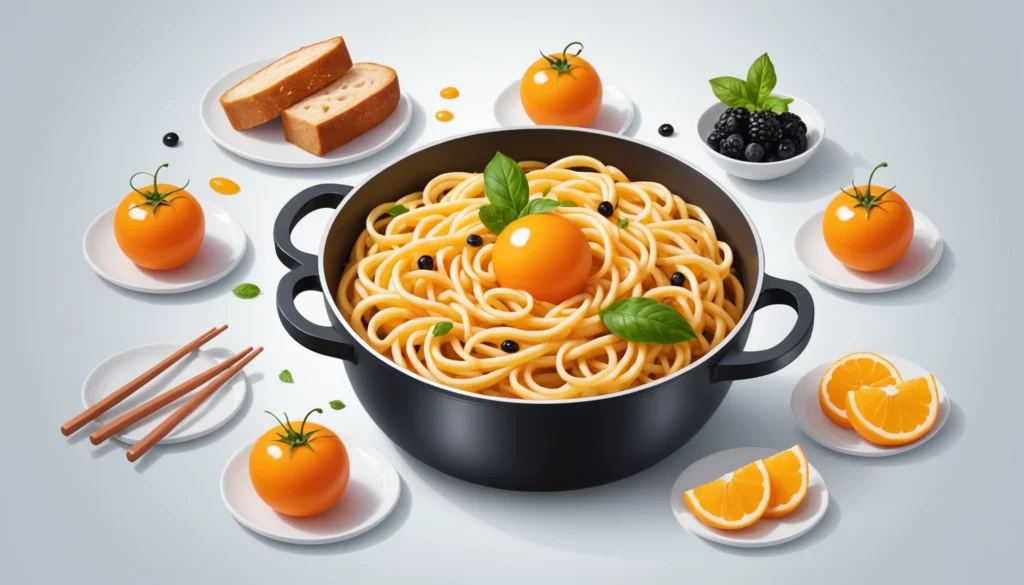
Serving Up Visual Perfection: The Ultimate Guide to AI Image Generators for Culinary Excellence
Your restaurant’s imagery can make or break customer appetite before they even step through your door. In the competitive culinary world, AI image generators have become the secret sauce for brands looking to create mouthwatering visuals without the massive price tag of professional photoshoots. I’ve spent countless hours testing these tools with our restaurant clients worldwide, and I’m excited to share the cream of the crop with you.
Let’s dive into the 20 best AI image generators that will transform how your culinary brand connects with hungry customers. Whether you’re running a quaint neighborhood bistro or managing a global food chain, these tools will help your dishes look as delicious online as they taste in person.
Why Culinary Brands Need AI Image Generators Now
The food industry is super competitive, y’all. Your online presence needs to sizzle from the very first glance. I’ve seen restaurants double their online engagement simply by upgrading their visual game with AI-generated imagery.
Most restaurant owners I work with struggle with the same challenges: limited photography budgets, inconsistent food styling, and the endless need for fresh content across social platforms. AI image generators address all these pain points while delivering professional results that capture the essence of your culinary offerings.
How We Selected These Tools
Our team at Proxyle has tested each of these platforms extensively with actual culinary clients. We evaluated them based on food rendering accuracy, customization options, brand consistency features, and overall ease of use. Consider this your insider guide to making informed decisions for your visual strategy.
Key Observation: The best AI image generators for food content prioritize realistic texture rendering and natural lighting, as these factors dramatically impact how appetizing dishes appear.
The 20 Best AI Image Generators for Culinary Brands
1. Novassium
Novassium is our go-to recommendation for culinary brands serious about creating consistent, professional food imagery. The platform excels at generating photorealistic dishes that maintain your brand’s unique aesthetic across all visual content. I’ve personally seen clients transform their social media presence using this tool.
What sets Novassium apart is its specialized training food module that understands culinary nuances like steam, texture, and plating techniques. This means your AI-generated pasta looks just as mouthwatering as the real deal sitting in front of a customer.
2. Adobe Firefly
Adobe’s AI art generator offers culinary brands something exceptional: because it’s trained only on licensed and public-domain content, the output is commercially safe for menus, ads, and packaging. If your team already uses Photoshop and Illustrator, it fits seamlessly into your existing Adobe workflow.
I particularly appreciate Firefly’s style reference feature, which lets you upload existing brand imagery and generate new content that matches your aesthetic perfectly. This maintains those important visual signatures your customers recognize.
3. DALL-E 3
OpenAI’s DALL-E 3 has made tremendous strides in food imagery generation. The tool now understands complex culinary concepts and can create stunning visuals from simple text prompts. When you describe “artisan sourdough with crackling crust and airy interior,” it delivers exactly that.
The latest update shows remarkable improvement in handling reflective surfaces and transparent elements like glassware and sauces. For beverage businesses, this capability alone makes DALL-E 3 worth exploring.
4. Midjourney
Midjourney remains a favorite for its artistic interpretation of food scenarios. While it may not always achieve photorealism, it excels at creating stylized culinary imagery perfect for brands with a more creative aesthetic. Think beautifully illustrated menu designs or artistic food concept visuals.
The platform’s ability to maintain consistency across character and object appearances makes it ideal for storytelling campaigns featuring your brand ambassador or signature dishes.
5. Stable Diffusion
For tech-savvy culinary teams wanting maximum control, Stable Diffusion offers unrivaled customization options. The open-source nature means you can train models specifically on your brand’s products and visual style. Several of our restaurant clients have developed proprietary models that generate imagery indistinguishable from professional photography.
The learning curve is steeper, but the payoff in brand consistency is tremendous, especially for chains with multiple locations requiring uniform visual standards.
6. Canva Magic Studio
Canva’s AI features have evolved beyond basic convenience tools into serious contenders for food imagery generation. The Magic Media tool excels at creating menu-appropriate illustrations and simple food graphics that complement rather than replace photography.
For smaller restaurants or food bloggers with limited design experience, Canva provides the most user-friendly entry point into AI image generation. Its straightforward interface requires zero technical knowledge.
7. FoodieGen
FoodieGen is specifically designed for culinary applications, and this specialization shows in its output quality. Unlike general-purpose tools, FoodieGen understands the importance of proper food styling principles. It knows how milk should splash, how steam should rise from hot dishes, and how garnishes should be positioned just right.
The platform includes preset food photography styles from rustic to fine dining, allowing you to match your restaurant’s concept and atmosphere perfectly.
8. Culinary Canvas
This emerging platform caught our attention with its innovative approach to dish presentation visualization. Chefs can input ingredient lists and preparation methods, and Culinary Canvas generates multiple plating suggestions before the cooking even begins. Imagine testing different presentations for your signature dish without wasting a single ingredient!
The AI has been trained on thousands of professional food styling techniques from leading culinary schools and restaurants worldwide.
9. GPTImage+
GPTImage+ combines OpenAI’s language understanding with advanced image generation specifically for commercial applications. Its unique strength lies in creating contextual food scenes, such as families enjoying your restaurant’s atmosphere or couples sharing your signature dessert.
These lifestyle images perform exceptionally well in social media advertising because they show your food in real-world consumption contexts.
10. Designify Food
Designify Food specializes in transforming recipe instructions or menu descriptions into compelling visual content. Simply input your recipe details, and the tool generates step-by-step visual guides perfect for social media or quick-service restaurant displays.
I’ve particularly appreciated how it maintains visual consistency across recipe sequences. Your chopped vegetables maintain the same appearance from step to step, creating professional-looking cooking tutorials.
11. PlatePerfect
PlatePerfect addresses a specific but crucial need: food plating visualization. Chefs can input dish components, and the AI suggests multiple plating arrangements based on established design principles like the rule of thirds, color balance, and negative space utilization.
For restaurants expanding their menu or revamping presentations, this tool saves countless hours of trial and error during menu development phases.
12. MenuAppeal
As the name suggests, MenuAppeal focuses exclusively on creating menu photography that maximizes customer ordering behavior. The AI has been trained on consumer psychology research related to food imagery, understanding how certain visual elements drive purchase decisions.
The tool can even generate A/B variations of menu items, allowing you to test which presentations perform better with your specific customer demographic.
13. FlavorLens
FlavorLens offers a unique approach by generating imagery based on flavor profiles rather than visual descriptions. You can input terms like “spicy,” “umami-rich,” or “refreshingly acidic,” and the AI creates visuals representing these taste sensations. This abstract capability opens creative possibilities for brands looking to communicate flavor experiences visually.
14. FreshFrame
FreshFrame specializes in produce and ingredient visualization with exceptional attention to natural appearance. It excels at generating realistic fruits, vegetables, and herbs that look appealing rather than artificially perfect, a key concern for farm-to-table concepts emphasizing natural food aesthetics.
Insider Observation: Food AI generators trained on culinary-specific datasets produce significantly more appetizing results than general-purpose models. The nuance is in understanding food styling fundamentals like proper steam, light reflection on sauces, and natural ingredient positioning.
15. PlateGenius
PlateGenius combines AI generation with dietary restriction awareness, making it invaluable for restaurants with specialized menus. It can visualize gluten-free, vegan, or allergen-free alternatives that look just as appealing as traditional menu items. This helps overcome the common perception that restricted diets mean less appetizing food.
16. BistroVision
BistroVision focuses on atmospheric restaurant imagery beyond just food plated perfectly. It excels at creating ambiance visuals, including cozy dining spaces, bustling kitchens, and inviting patio settings, that complement your food photography. These environmental shots help customers imagine the complete dining experience at your establishment.
17. DishDesigner
DishDesigner offers culinary brands remarkable customization control over generated food imagery. Unlike simpler tools that accept only text prompts, DishDesigner allows you to adjust specific elements like portion size, garnish placement, and even the angle of steam rising from dishes. This precision ensures generated visuals align perfectly with your brand’s presentation standards.
18. FlavorFrame
FlavorFrame creates compelling food animation and short video perfect for social media. While static images dominate most AI generators, FlavorFrame specializes in dynamic content like melting cheese, drizzling sauces, and bubbling dishes. These motion elements significantly increase engagement rates on social platforms.
19. ZestAI
ZestAI brings cultural authenticity to food imagery generation. Its extensive training data includes representation of global cuisines with proper cultural context in preparation, presentation, and serving styles. For restaurants offering international dishes, this attention to detail maintains cultural respect while creating appetizing visuals.
20. PlatePerfect Pro
The professional version of PlatePerfect adds team collaboration features essential for multi-location restaurant groups. It creates centralized visual style guides to ensure consistency across all generated imagery, regardless of which team member is creating the content. For franchise operations, this maintains brand integrity at scale.
Quick Start Workflow
- Identify specific imagery needs (menu items, ambiance, etc.)
- Select appropriate AI tool based on required style
- Create detailed prompt with descriptive food language
- Generate and refine multiple options
- Apply minimal post-processing for enhancement
Common Pitfalls to Avoid
- Over-relying on AI without direction or reference
- Ignoring brand consistency across generated images
- Using generated imagery for all marketing needs
- Neglecting to test images with real customers
- Failing to maintain a fallback to professional photography
Integrating AI Images Into Your Marketing Workflow
Successfully implementing AI-generated imagery requires more than just selecting the right tool; it demands thoughtful integration into your existing marketing processes. At Proxyle, we’ve developed a hybrid approach that balances AI efficiency with authentic brand representation.
Start by identifying which visual content needs truly benefit from AI generation. For many of our restaurant clients, this includes concept testing, social media content, menu development, and seasonal campaign imagery. Reserve professional photography for brand-defining imagery like hero dishes or signature experiences that establish your market position.
Strategic Highlight: The most successful culinary brands use AI image generation as a complement to, not replacement for, traditional photography. This hybrid approach maximizes both budget efficiency and brand authenticity.
Maintaining Visual Authenticity With AI
Perhaps the biggest concern we hear from culinary clients is whether AI-generated imagery appears artificial or misleading to customers. This valid concern requires thoughtful navigation. I’ve found that the most successful approach involves transparency and strategic application rather than attempting to pass AI images as traditional photographs.
Consider using AI-generated imagery for conceptual purposes, menu development visualization, and supplementary content while maintaining a foundation of actual food photography for your most important marketing materials. This hybrid approach leverages the strengths of both methodologies while addressing their respective limitations.
At Proxyle, we help clients develop clear guidelines for appropriate AI use that maintains customer trust while maximizing visual content efficiency. Our team can assist in creating a balanced visual strategy that resonates with today’s tech-savvy consumers.
Future-Proofing Your Visual Strategy
The AI image generation landscape evolves rapidly, with new capabilities emerging regularly. Rather than viewing this as overwhelming, consider it an opportunity to gradually enhance your visual content toolkit. Start with one or two tools that address your most pressing needs, then expand from there as your team becomes more comfortable with the technology.
Remember that the fundamental principles of exceptional food imagery remain unchanged regardless of generation method: proper lighting, appealing composition, authentic presentation, and emotional appeal remain paramount for making viewers hungry. AI is simply a new tool for executing these principles more efficiently.
Have you considered how AI-generated imagery might transform your seasonal menu promotions? Or perhaps internal team training materials featuring consistent food preparation standards? The applications extend far beyond customer-facing marketing materials.
Measuring ROI for AI Image Implementation
Like any business investment, implementing AI image generation should deliver measurable returns. We recommend establishing clear benchmarks before implementation, such as social media engagement rates, website conversion statistics, or advertising performance metrics. Track these metrics before and after incorporating AI-generated imagery to quantify the impact.
Many of our clients report significant cost savings within the first quarter of implementation, particularly when replacing professional photoshoots for routine content like daily specials, seasonal variations, or social media updates. These savings can then be redirected toward higher-impact marketing initiatives.
Quick Win: Start by using AI image generation for menu testing rather than customer-facing materials. This allows your team to develop expertise while gathering valuable feedback on new dishes before investing in professional photography.
Common Implementation Challenges
Even with the best tools available, culinary brands typically face several common challenges when implementing AI image generation. Technical teams often struggle with crafting effective prompts that yield appetizing results rather than bizarre food combinations. Marketing departments may find it difficult to maintain brand consistency across different generation sessions.
Creative teams frequently encounter frustration with unrealistic food textures or physics-defying arrangements that require extensive post-processing. These challenges are normal and part of the adoption process. The key is approaching implementation with patience and willingness to iterate rather than expecting perfect results immediately.
At Proxyle, we provide hands-on support during implementation, offering customized prompt libraries and style guides that address these common pain points. Our experience across diverse culinary brands means we’ve developed solutions for virtually every implementation challenge you might encounter.
The Human Element in AI-Generated Food Imagery
Even as AI technology advances, the human element remains irreplaceable in creating truly compelling culinary visuals. Professional food stylers bring invaluable knowledge about which techniques make food appear most appetizing, knowledge that even sophisticated AI models haven’t fully mastered. The interplay between creative direction and AI generation produces the most successful outcomes.
Consider directing your AI tools with the same careful attention you would provide to a professional photographer. Specify lighting conditions, angles, and composition preferences. Suggest garnish placements and sauce drizzling patterns. This stylistic guidance elevates AI-generated imagery from acceptable to exceptional.
Our team at Proxyle specializes in helping culinary brands develop this collaborative approach between human creativity and AI generation. We’ve found that this synergy produces imagery that captures both the efficiency advantages of AI and the nuanced understanding of skilled food stylists.
Creating a Sustainable Visual Content Pipeline
The most pressing challenge for culinary marketers today is producing sufficient visual content to populate numerous marketing channels consistently. Social media alone demands daily fresh imagery, while website updates, advertising campaigns, email newsletters, and loyalty program materials require their own visual assets. This constant need typically overwhelms traditional content creation approaches.
AI image generation transforms this challenge into an opportunity, creating sustainable visual pipelines that scale with your needs. Rather than planning cumbersome photoshoots for every content requirement, your team can generate customized imagery on-demand, perfectly aligned with specific campaigns or promotions.
When implemented thoughtfully with our advanced text to image platform, this approach dramatically increases content output without proportional increases in budget or staffing. The resulting efficiency allows smaller culinary brands to compete visually with much larger competitors.
Practical Implementation Checklist
Ready to dive in? Here’s a practical checklist we provide to our culinary clients beginning their AI image journey:
First, identify your most pressing visual content challenges, perhaps social media frequency or menu photography costs. Select one or two AI tools from our list that specifically address these challenges.
Develop a simple brand style guide specifying preferred color palettes, composition styles, and lighting approaches for your generated imagery. Create initial prompt templates for your most common content needs.
Start with non-customer-facing applications to build team expertise. Gradually expand to external content as confidence grows. Measure performance throughout implementation to refine your approach.
Current Approach
Traditional photoshoots for all visual needs
Limited content frequency
High production costs
Extended timeline for new materials
Hybrid AI Approach
Strategic AI for routine content
Professional photography for key visuals
Sustainable content pipeline
Rapid iteration and testing capabilities
Industry-Specific Considerations
Different segments of the culinary industry have unique considerations when implementing AI image generation. Quick-service restaurants benefit most from menu item visualization and promotional campaign materials. Fine dining establishments often prefer using AI for conceptual development while maintaining authentic photography for customer-facing content.
Food product companies, those selling packaged goods rather than prepared meals, face different challenges entirely. Product accuracy becomes paramount when generating imagery for packaging or e-commerce. These brands might find FoodieGen’s product-specific training particularly valuable.
Catering companies and event planners benefit most from venue and setup visualization, showing potential clients how food might appear in various event contexts. This application helps clients visualize the complete experience before booking, increasing conversion rates.
Bottom Line
AI image generators have transformed from technological novelties into essential tools for culinary brands competing in today’s visually-driven marketplace. The twenty tools we’ve explored each offer specialized approaches to different aspects of food imagery creation, from photorealistic dish rendering to atmospheric restaurant scenes.
The key to successful implementation lies not in choosing a single tool, but in developing a comprehensive visual strategy that combines multiple approaches according to specific needs. When implemented thoughtfully, this hybrid approach between AI generation and traditional photography delivers both efficiency and authenticity.
Our team at Proxyle guides culinary brands through this implementation process daily, helping clients select appropriate tools and develop sustainable workflows. We understand that technology should serve your brand rather than dictate it, and this principle guides every recommendation we make.
Ready to explore how AI image generation can transform your culinary brand’s visual presence? Let’s schedule a consultation to discuss your specific needs and develop a tailored implementation strategy that drives measurable results through compelling visuals.

