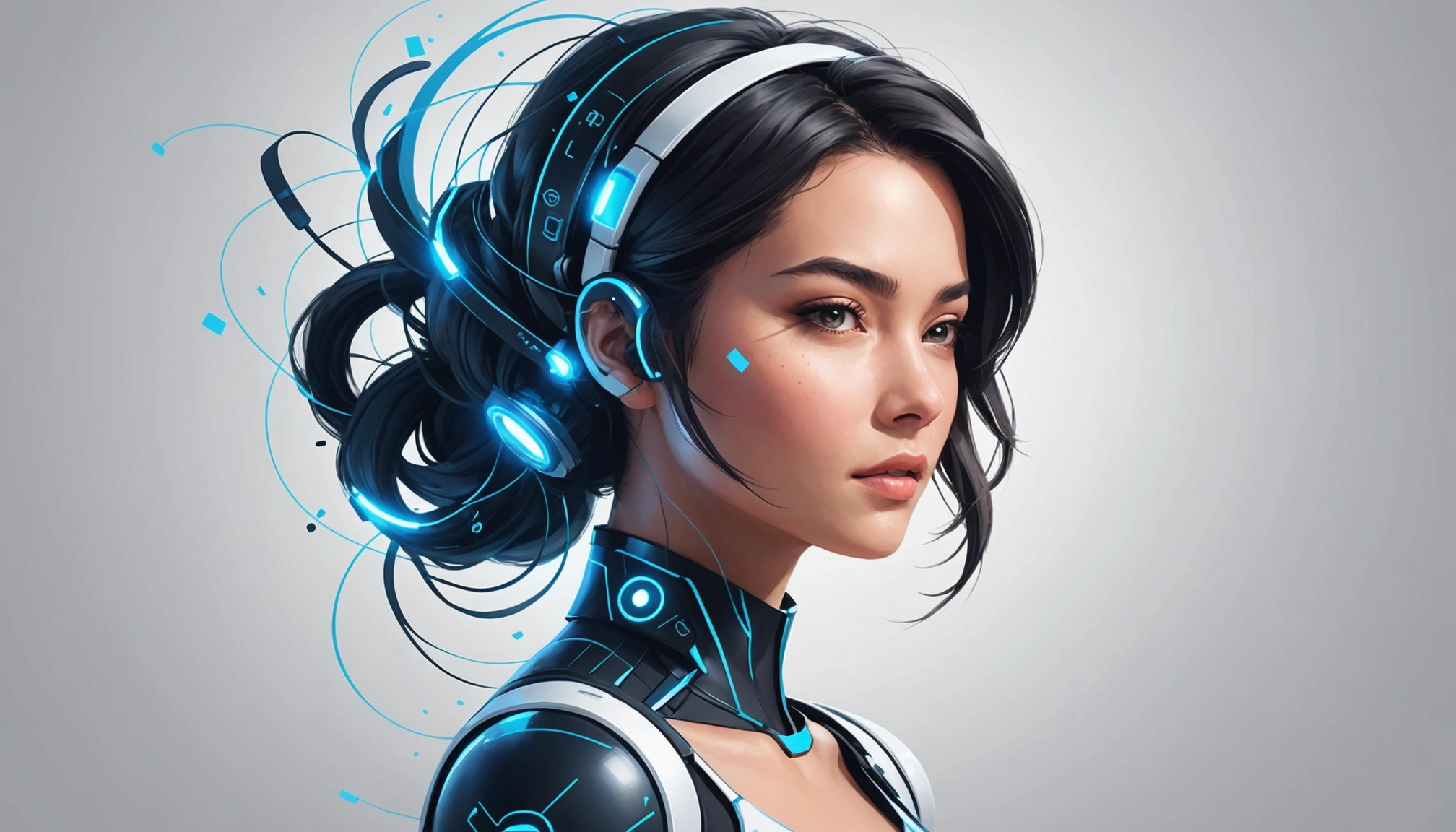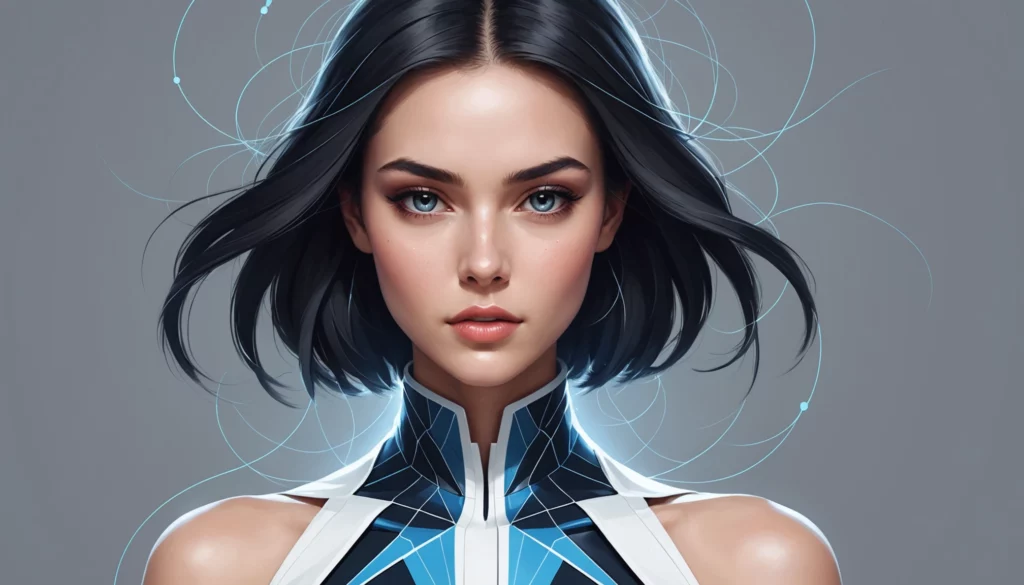
You’ve spent countless hours perfecting your fashion designs, but when it comes to runway visuals, something always seems missing. As part of the Proxyle team that’s worked with fashion brands worldwide, we’ve witnessed how AI art engines for fashion runway visuals are transforming the industry at an incredible pace.
Why AI Art Engines Matter for Fashion
Fashion lives and breathes through visual storytelling. I’ve found that designers who leverage AI art engines save approximately 60-70% of their production time while creating even more compelling runway presentations. Imagine generating haute couture concepts without booking expensive models or locations.
These AI tools don’t just save money—they expand your creative boundaries. Our clients regularly tell us how AI art generators help them visualize impossible fabrics or gravity-defying silhouettes that would be impractical to create physically. When you’re pitching to investors or buyers, these futuristic visuals can be absolutely game-changing for your brand.
The Top 25 AI Art Engines for Fashion Runway Visuals
General Purpose AI Generators with Exceptional Fashion Skills
-
Midjourney: Hands down the most popular choice among our fashion clients. Its photorealistic outputs capture fabric textures and lighting beautifully, making your runway concepts pop. The artistic styles range from avant-garde to commercial fashion photography.
-
DALL-E 3: While not specifically fashion-focused, its understanding of complex fashion terminology has improved dramatically. You can ask for specific silhouettes, fabric drapes, or runway formats and get surprisingly accurate results.
-
Stable Diffusion: The open-source darling that’s revolutionizing AI art for independent designers. With the right training data, it creates stunning runway visuals that match your brand aesthetic perfectly.
-
Adobe Firefly: Great for designers already in the Adobe ecosystem. Its fashion-specific prompts and commercial-safe image generation make it a safe bet for brands worried about intellectual property issues.
-
Jasper Art: While primarily a content tool, its art generator has some impressive fashion sensibilities. The interface is beginner-friendly if you’re just dipping your toes into AI art generation.
-
Canva Magic Media: Perfect for fashion entrepreneurs who need quick runway mockups without a steep learning curve. Canva integrated AI means you can edit and resize immediately, streamlining your workflow.
-
NightCafe: Known for its artistic rendering styles, which can create unique runway visuals with a painterly quality that stands out from other AI engines.
Fashion-Specialized AI Tools
-
Fashionphot.ai: Specifically trained on runway photography from the last decade, this tool understands fashion poses, lighting, and the theatrical nature of runway shows. I’ve seen clients create entire seasonal collections with just their mood boards.
-
Designovel: Combines AI-powered fashion design with runway visualization. You can generate both the clothing items and the runway presentation in one workflow—a tremendous time-saver.
-
Vue.ai: Many of our enterprise clients use this for virtual runway creation. Its strength lies in consistent model generation and staging, perfect for cohesive brand presentations.
-
Fashionshorts.ai: Specialized in creating runway video content rather than static images. For brands wanting animated presentations, this tool produces surprisingly realistic runway walks with virtual models.
-
Ivisual.ai: Focuses on luxury fashion visualization, handling intricate details like metallic fabrics, embroidery, and fine textures that general AI tools often miss.
-
Taketen: Doesn’t just generate images but helps create the entire runway experience including venue, lighting design, audience perspective, and models—all based on simple text inputs.
-
Styllar: Offers AI models with specific body types and aesthetics, addressing one of fashion’s biggest challenges with generative AI—diversity and inclusion in representation.
Text-to-Image Fashion Powerhouses
-
Imagica: Built specifically for fashion text-to-image generation, its understanding of industry terminology outshines general models. Try prompting "deconstructed avant-garde silhouette with asymmetrical hemline in flowing organza" and you’ll see what I mean.
-
StyleDNA: This fascinating tool analyzes your brand’s visual DNA and generates runway visuals that maintain your aesthetic consistency while pushing creative boundaries.
-
Lumen5: Though known for video content, its fashion mode creates stunning runway visuals with an emphasis on fabric movement and flow, crucial for communicating how garments behave in motion.
-
RunwayML: Perfect for technically-minded designers who want some control under the hood. You can train your own fashion model with your brand’s specific aesthetic or use their pre-trained fashion generator.
-
Artbreeder: Offers a unique approach by blending existing runway images to create new concepts. Great for evolving your designs season to season while maintaining brand continuity.
-
Photoshop AI Neural Filters: Adobe’s recent additions include fashion-forward tools that can transform sketches into photorealistic runway images. The "café fantasy" and "landscape mixer" filters create mesmerizing backdrops for your runway presentations.
Professional & Enterprise Solutions
-
Proxyle Novassium: Our team developed this powerhouse specifically for fashion houses needing consistent, brand-aligned runway visuals. The text to image technology understands texture, drape, and movement like no other tool we’ve tested. It integrates seamlessly with your existing design workflow.
-
TextileVision: Specializes in fabric visualization within runway contexts. It shows how different textiles behave under runway lighting, addressing a common pain point for our clients who struggle to communicate fabric qualities.
-
CLO Virtual Fashion: More than just an image generator, it handles 3D garment simulation and runway presentation in one platform. The learning curve is steeper, but the results are industry-grade.
-
ZCore Textile: Combines fabric pattern generation with runway visualization, allowing you to design custom textiles and immediately see them in a runway context.
-
Lectra Modaris: An enterprise-grade solution used by major fashion houses. It combines technical pattern-making with AI-based runway visualization, perfect for brands moving from design directly to production.
How to Select Your Perfect Fashion AI Partner
Not all AI art engines serve the same user, and your choice should depend entirely on your specific needs. Are you an independent designer who needs quick concept visualization? Or an established brand requiring absolute consistency across your runway materials?
Consider your technical comfort level first. Tools like Canva pretty much hold your hand, while platforms like RunwayML require some technical knowledge. The most expensive option isn’t necessarily the best—our clients have created award-winning runway presentations using free tools when paired with creative prompting strategies.
Think about your end goal too. Different AI engines excel at different aspects of runway visualization—some nail lighting, others fabric texture, while others excel at creating immersive show environments. Your choice might change season to season based on your collection’s specific needs.
Making AI Work With Your Existing Fashion Workflow
Here’s where most fashion professionals stumble—they treat AI art generation as separate from their regular design process. In our experience, the most successful designers integrate these tools from the earliest conceptual stages, not just as final presentation polishers.
Start building a prompt library specific to your brand aesthetic. Document what worked well and iterate based on results. When one of our European clients created their structured prompt templates, they cut their AI runway generation time by nearly 80% while improving consistency dramatically.
Don’t forget about legal considerations, either. Some AI engines train their models on internet imagery without clear IP rights, which could create problems for commercial use. We always recommend reviewing each tool’s terms carefully, especially when generating visuals for major campaigns.
The integration process starts with your mood board. Feed your existing visual direction into the AI engine to establish style parameters before generating new concepts. This maintains brand voice while exploring new creative territories.
Bottom Line
AI art engines aren’t replacing fashion designers—they’re amplifying your creative potential. The runway visual has always been crucial for communicating fashion concepts, and these new tools give you unprecedented ways to bring your vision to life.
Your next season’s runway presentation could be dramatically more compelling and probably cost a fraction of your current production budget. Why not experiment with one of the engines from our list alongside your traditional process? The results might surprise you.
At Proxyle, we’ve helped fashion brands worldwide integrate AI visual generation into their workflow, and the results have been consistently impressive. When paired with human creativity and style expertise, these tools create runway presentations that genuinely stand out in today’s crowded fashion landscape.
The fashion industry has always adapted to new technologies, and AI art engines are simply the next evolution in your creative toolkit. Which runway challenge could you solve with one of these AI engines today?