

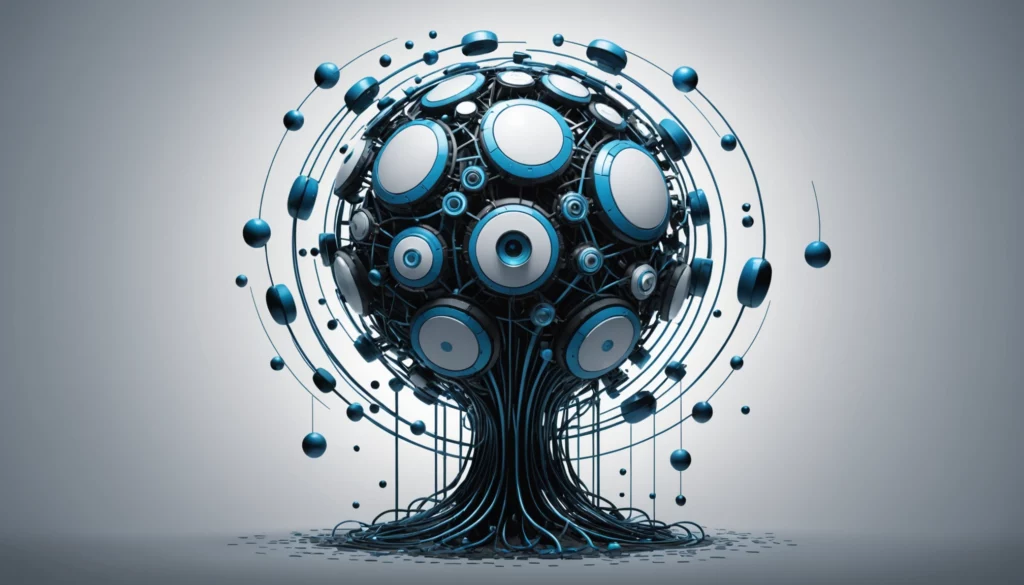
The creative landscape is transforming at lightning speed, and AI image engines are at the heart of this evolution. As a creative professional, you need tools that amplify your vision, not complicate your workflow.
25 Best AI Image Engines for Creative Professionals
AI image generators have become indispensable for artists, designers, and content creators seeking to push boundaries. With the right tools, you can transform concepts into stunning visuals in minutes rather than hours or days. Let me walk you through the most powerful options available today.
1. DALL-E 3
OpenAI’s flagship image generator produces remarkably coherent images that follow complex prompts precisely. I’ve found that its understanding of context makes it perfect for conceptual work where storytelling matters.
2. Adobe Firefly
Adobe’s AI art generator integrates seamlessly with Creative Cloud and Photoshop, making it a natural choice for existing Adobe users. Because it’s trained only on licensed and public-domain content, the commercial-safe output provides real peace of mind for client work.
3. Midjourney
With its distinctive artistic style, Midjourney creates visually striking images that lean toward the aesthetic rather than photorealistic. Its Discord-based interface might seem quirky initially, but the community aspect provides endless inspiration.
4. Stable Diffusion
The open-source champion offers unlimited customization when you run it locally. While setting it up requires some technical know-how, the freedom to fine-tune models gives you unparalleled control over the final output.
5. Leonardo.Ai
This platform combines multiple AI models with powerful training capabilities for custom styles. In my experience, its unified interface saves considerable time compared to juggling different tools.
6. Ideogram
Standout text generation makes this tool invaluable for designers creating typographic art. While still developing, its ability to render legible text within images surpasses most competitors.
7. DreamStudio
The official interface for Stable Diffusion offers user-friendly access to customization options. It strikes an excellent balance between simplicity and advanced controls.
8. Artbreeder
Rather than generating from scratch, Artbreeder specializes in combining and evolving existing images. Its collaborative approach to creativity produces unique results through genetic-style image mixing.
9. Canva Magic Media
Integrated into Canva’s design platform, this tool is perfect for quick visual content creation. The templates and user-friendly interface make it accessible even to AI newcomers.
10. Photoroom
Specializing in product photography, Photoroom excels at creating professional-looking marketing images. Its background removal and replacement features work seamlessly with the AI generation.
11. NightCafe
With multiple algorithms and a vibrant community, NightCafe encourages experimentation. The daily challenges and credit system create an engaging creative environment.
12. Runway ML
Part of a broader AI-powered creative suite, Runway’s image generator integrates with video and animation tools. This versatility makes it valuable for multimedia projects.
13. BlueWillow
A Discord-based generator that prides itself on accessibility and simplicity. While less feature-rich than some alternatives, its straightforward approach appeals to beginners.
14. Dezgo
A minimalist interface with powerful Stable Diffusion integration. I particularly appreciate its honesty about limitations and lack of hidden costs.
15. Fotor
Combining traditional photo editing with AI generation, Fotor offers an all-in-one solution. The ability to apply AI to specific parts of existing images provides precise control.
Key Observation
Most successful creative professionals don’t rely on a single AI image engine. They build a toolkit tailored to different project needs. The workflow often starts with broader concept tools like Midjourney, then moves to more precise generators for refinement.
16. Deep Dream Generator
Google’s pioneering tool creates surreal, dreamlike images with distinctive neural network artifacts. While less practical for commercial work, it’s fantastic for artistic exploration.
17. Kuaishou (KuAI)
Kuaishou’s AI generator produces particularly impressive anime and Asian-style artwork. Its cultural training gives it an edge for projects requiring specific aesthetic sensibilities.
18. SeaArt
With a focus on game assets and character design, SeaArt caters to indie developers. The integrated community features facilitate collaboration among creative teams.
19. Playground
Research-driven Playground offers access to cutting-edge models before they become mainstream. For early adopters willing to navigate interfaces, the results can be groundbreaking.
20. Bing Image Creator
Powered by DALL-E technology with Microsoft’s infrastructure behind it. The generous free tier makes it an excellent starting point for experimentation.
21. Lexica Art
Built on Stable Diffusion with its own curated model, Lexica produces distinctive results. The integrated prompt library helps users refine their technical approach to prompting.
22. InvokeAI
A professional-grade Stable Diffusion interface with extensive workflow features. The node-based system enables complex generation pipelines once you master the learning curve.
23. Automatic1111
The power user’s choice for Stable Diffusion customization. While not for the technically faint of heart, its extensibility and active community make it endlessly powerful.
24. Mage.space
Offering free Stable Diffusion access with minimal restrictions, Mage.space democratizes AI image creation. Its straightforward approach removes many common barriers to entry.
25. Poly
Specializing in 3D asset generation from text prompts, Poly serves game developers and 3D artists. While focused on a specific niche, it excels at what it does.
Starting Point
Begin with user-friendly tools like Canva or Midjourney to develop your prompting skills.
Intermediate
Graduate to Stable Diffusion interfaces for more control over your output.
Advanced
Implement local Stable Diffusion with custom models for specific aesthetics.
Professional
Integrate multiple tools into a seamless workflow, perhaps with our text to image solutions.
Choosing Your Perfect AI Image Engine
The ideal tool depends on your specific needs. Are you seeking photorealism or artistic expression? Do you need quick results or deep customization? I’ve found that many creatives start with all-in-one solutions before gravitating toward specialized tools.
Strategic Highlight
Consistent visual style across projects comes from training custom models or using tools with strong style-locking features. This is especially crucial for brand work where visual recognition matters.
For professional workflows, consider how AI generation fits into your existing pipeline. Tools that offer API access or integrate with design software typically save more time than standalone web interfaces. That’s why we at Proxyle have developed solutions that bridge the gap between powerful AI and practical workflow needs.
The Human Touch in AI Creation
Even with the most advanced AI image engines, your creative direction remains irreplaceable. The most compelling results come from thoughtful prompting, curated selection, and thoughtful post-processing. I recommend viewing AI as a creative partner rather than a replacement for human creativity.
Understanding each tool’s strengths helps you select the right engine for each project phase. You might start with conceptual exploration in one platform, then refine details in another. Our clients worldwide have discovered that combining multiple tools often produces superior results compared to depending on a single solution.
Navigating Technical Considerations
Some AI image engines require significant computational resources, while others run entirely in the cloud. Your hardware budget and technical comfort level should inform your choices. Open-source solutions like Stable Diffusion offer freedom but demand configuration knowledge.
Commercial platforms simplify the process but may involve subscription costs. When budgeting for your creative toolkit, consider both direct costs and the time investment required to master each interface. We’ve seen organizations dramatically reduce their creative production timelines by choosing cloud-based solutions that scale with their needs.
Quick Win
Create a prompting template system specific to each AI engine you use. Small syntax adjustments between platforms can dramatically affect output quality. Documenting these differences saves hours of trial and error.
Future-Proofing Your Creative Skills
The AI image generation landscape evolves quickly. What’s cutting-edge today may be commonplace tomorrow. The most valuable skill isn’t mastering any single tool, but developing adaptability across platforms and a deep understanding of visual principles that transcend technology.
Consider how emerging capabilities like video generation, 3D modeling, and interactive content might impact your creative process. Forward-thinking professionals are already expanding their skillsets beyond static images to include these emerging formats. Those who embrace versatility will thrive as creative AI continues to expand into new domains.
Many creative teams we consult with initially focus on replacing existing workflows with AI, only to discover that the most powerful applications involve entirely new creative possibilities. This paradigm shift often produces the most spectacular results and creates competitive advantages in crowded markets.
Bottom Line
Finding the right AI image engine among these 25 options depends on your specific creative goals, technical comfort, and workflow requirements. I recommend starting with accessible tools while gradually incorporating more specialized options as your needs evolve. The most successful creatives we’ve worked with maintain flexibility in their tool selection while developing deep expertise in a few core platforms.
Remember that technology should serve your vision, not limit it. Whether you choose mainstream solutions or specialized tools, the human creative eye remains your most valuable asset. We’re here to help you integrate the perfect combination of AI tools into your workflow, ensuring that technology amplifies rather than obscures your unique creative voice.

