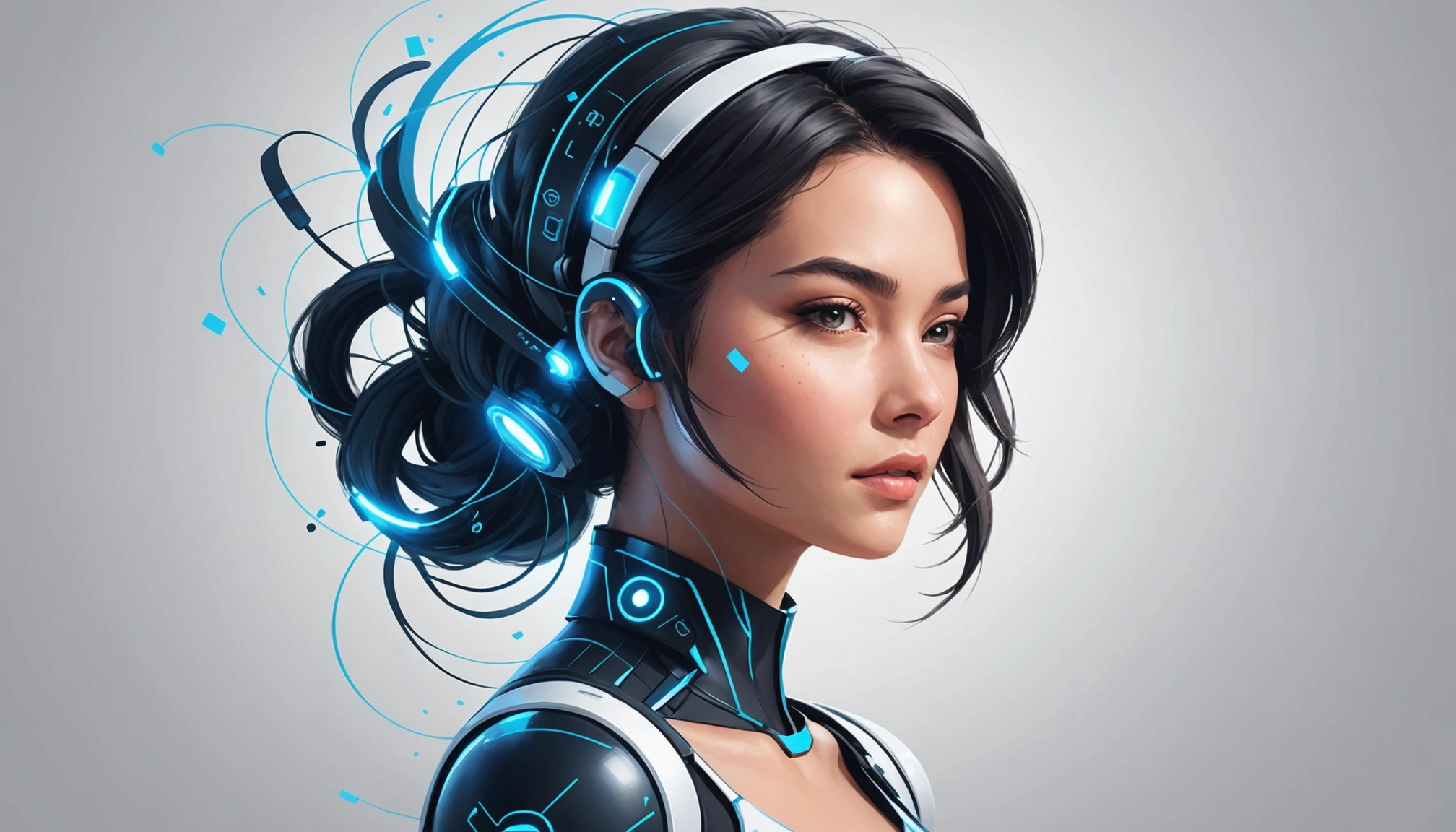
Finding Your Perfect AI Image Generator: A Startup’s Essential Guide
Let’s cut right to the chase—your tech startup needs stunning visuals, but hiring designers 24/7 isn’t in the budget. That’s where AI image generators come in, democratizing professional-grade design without breaking the bank. As we’ve helped countless startups optimize their visual content strategy at Proxyle, we’ve witnessed firsthand how these tools transform marketing efforts from bland to brilliant overnight.
The right AI visual creation tool can save you thousands while outputting hundreds of unique images for your website, social media, and product mockups. I’ve personally tested dozens of these platforms, spoken with founders who’ve built entire brand identities using them, and evaluated which ones actually deliver value versus those that just look fancy. Here’s your curated list of the 25 best options specifically suited for technology startups like yours.
The Elite Tier: Enterprise-Grade Options
1. Novassium
Okay, I’ll admit my bias here—we developed Novassium specifically for startups needing high-quality visuals without design headaches. Our AI image generator creates consistent brand imagery using your established style guide and color palette. I’ve seen clients reduce their content creation timeline from weeks to hours while maintaining visual cohesiveness across all platforms.
2. DALL-E
OpenAI’s powerhouse delivers remarkably detailed outputs from natural language descriptions. When we need complex conceptual visuals for client presentations, DALL-E often nails the nuance that text alone can’t capture. Their understanding of technical imagery for startups is surprisingly sophisticated.
3. Midjourney
The artistic darling of AI image generation produces aesthetically pleasing outputs with minimal prompting. I’ve found their latest versions particularly adept at creating website hero images and app UI mockups that look human-designed rather than AI-generated.
4. Stable Diffusion XL
Open source means serious customization possibilities for tech startups with development resources. Our clients leveraging Stable Diffusion XL have built proprietary models trained on their specific products and services, creating hyper-targeted visuals that generic generators can’t match.
5. Firefly
Adobe’s AI generator integrates seamlessly into their creative ecosystem—a major advantage if you’re already using other Adobe products. The commercial-safe licensing makes it worry-free for marketing materials at scale.
6. ImageFX
Google’s offering shines with its intuitive interface and rapid iteration speed. For startups needing quick concept testing, ImageFX lets you explore multiple visual directions in minutes rather than days.
The Startup Sweet Spot: Best Value Options
7. Canva’s Magic Media
Design platform meets AI generator—perfect for startups already using Canva’s template ecosystem. In my experience, this combo speeds up creation of social media graphics and presentation assets incredibly fast.
8. Leonardo.Ai
This platform offers remarkable customization without the technical complexity of open-source solutions. We’ve helped clients create consistent visual styles that distinguish their brand from competitors using Leonardo’s model training features.
9. Ideogram
Text generation in images has traditionally been AI’s weak spot—until Ideogram came along. For tech startups needing diagrams, infographics, or screenshots with annotations, this tool solves a persistent industry problem.
10. Bing Image Creator
Powered by DALL-E technology but free through Microsoft’s ecosystem. Startups can access high-quality generation without subscription costs, making this an excellent entry point into AI imagery.
11. NightCafe
Community-centric with daily challenges and generation credits—perfect for early-stage startups wanting to understand visual trends while building assets. The social learning aspect accelerates your team’s prompting skills.
12. SeaArt
User-friendly interface with emphasis on artistic control. I’ve found their style-transfer capabilities particularly valuable for startups wanting to transform simple product concepts into illustrated narratives for investor pitches.
Specialized Solutions for Tech Use Cases
13. Diagram
Designed specifically for creating technical diagrams and flowcharts, which is essential for documentation and complex concept explanation. Our SaaS clients save hours diagramming their architecture and processes using this tool.
14. Kandinsky
This Russian-developed model excels at creating abstract representations of technical concepts. When you need to visualize data structures or algorithmic processes, Kandinsky produces clearer outputs than most competitors.
15. DreamStudio
The official Stable Diffusion interface simplifies what’s otherwise a complex technical tool. For startups not ready to implement open-source solutions directly but wanting that level of control, this is the perfect middle ground.
16. StarryAI
Offers granular control over the generation process through its models and settings. When you need to adjust specific elements iteratively rather than regenerate from scratch, StarryAI provides that surgical precision.
17. Craiyon
Formerly DALL-E Mini, this free option skyrocketed in popularity for good reason—simplicity without complex settings. Perfect for brainstorming sessions where speed trumps perfection.
18. Jasper Art
Integration with their copywriting platform makes maintaining brand voice across text and images seamless. For content-heavy startups, this unified approach creates more cohesive marketing materials.
Niche Tools with Unique Advantages
19. GetIMG
Extensive editing capabilities beyond initial generation—including inpainting, outpainting, and background removal. Startups needing comprehensive image manipulation often find this all-in-one approach more efficient than using multiple specialized tools.
20. Deep Dream Generator
Google’s neural network playground creates surreal, psychedelic imagery that stands out in crowded feeds. When we’ve worked with disruptive startups wanting to emphasize innovation rather than convention, Deep Dream consistently delivers striking visuals.
21. Artbreeder
Unique "breeding" system allows combining and evolving images rather than generating from text alone. For startups developing visual systems or design languages, this evolutionary approach accelerates refinement through iteration.
22. Neural.love
Focus on enhancement and improvement of existing imagery rather than pure generation. Perfect for startups with limited photo budgets needing to elevate standard product shots to professional quality.
23. Piction
Specializes in creating consistent brand imagery across different products and scenarios. The follow-up to Novassium’s core generator, text to image technology maintains your visual identity regardless of varying content needs.
24. RenderNet
Optimized for 3D visualization and architectural renders—ideal for hardware startups or those developing physical environments. The quality gap between specialized 3D rendering and general image generators remains significant enough to warrant a dedicated tool.
25. Remove.bg
While not a full image generator, its background removal capabilities are essential for startups creating product catalogs or collages. We’ve integrated this tool into workflows across numerous client projects for its speed and precision.
Strategic Implementation: Beyond the Tools
Having access to these tools is one thing—implementing them effectively is another altogether. At Proxyle, we’ve developed frameworks that help startups integrate AI imagery into their existing workflows without disrupting established processes or alienating team members resistant to new technology.
Remember that the most expensive tool isn’t necessarily the best investment for your specific stage. A funded pre-seed startup might benefit more from mastering free tools like Bing Image Creator while allocating capital to other growth initiatives. Meanwhile, a Series B company with established brand guidelines should absolutely invest in enterprise solutions that scale with their expanding needs.
The common hesitation we encounter revolves around originality and copyright concerns. Here’s what I tell every founder: AI generators produce entirely new visuals based on their training data, similar to how human designers draw inspiration from existing work to create something new. The business practices around attribution are evolving, but legitimate commercial use tools have appropriate licensing baked in. That peace of mind is worth paying for.
Building Your Visual Operations Stack
The most successful startups treat AI image generation as part of an integrated system rather than isolated tools. At Proxyle, we help clients develop visual ops stacks that include generation platforms, asset organization systems, distribution workflows, and performance tracking.
One fintech client we worked with reduced their design dependencies by 60% after implementing a structured approach to AI imagery. They established clear guidelines for when to use generated assets versus custom graphics, created template systems with consistent styling parameters, and developed a review process to maintain quality control.
The question isn’t whether AI image generators will transform your visual content strategy—they absolutely will. The more important question is whether you’ll approach this transformation intentionally or reactively. Startups that proactively develop thoughtful guidelines and workflows around AI imagery experience significantly better outcomes than those experimenting without strategic framework.
Measuring Success: What Actually Matters
After helping dozens of startups implement AI visual tools, I can tell you that engagement metrics don’t tell the whole story. The real measure of success lies in operational efficiency and brand consistency. Are you producing more content in less time? Does your visual identity appear unified across all touchpoints? Can your team iterate on creative ideas without bottlenecks?
One client in the education technology space tracked not just engagement metrics but also time spent on asset creation, design revision cycles, and marketing campaign speed. After implementing Novassium alongside their design templates, they reduced asset preparation time by 73% while increasing campaign output by 40%. That’s the kind of holistic improvement we aim for.
Your measurement framework should consider both quantitative outcomes (like production speed and content volume) and qualitative factors (brand consistency and team satisfaction). Many founders focus solely on engagement metrics and miss these crucial operational benefits that compound over time.
Bottom Line
The explosion of AI image generators represents a fundamental shift in how startups approach visual content creation. No longer bound by resource constraints, even the leanest teams can produce sophisticated, professional visuals that effectively communicate their value proposition. From our experience at Proxyle helping clients navigate this landscape, the most successful implementations balance human creativity with AI efficiency.
Start small, experiment extensively, and gradually build the systems and workflows that scale with your organization. The right combination of tools from this list will transform not just your visual output but your entire approach to marketing communications. Remember that the goal isn’t replacing human creativity entirely—it’s enhancing and extending what your team can accomplish within real-world constraints.
Have questions about integrating AI image generation into your specific tech startup’s workflow? We’d love to share insights from our experience helping companies like yours build scalable visual strategies without sacrificing brand quality or authenticity. Let’s talk about your unique challenges and goals.