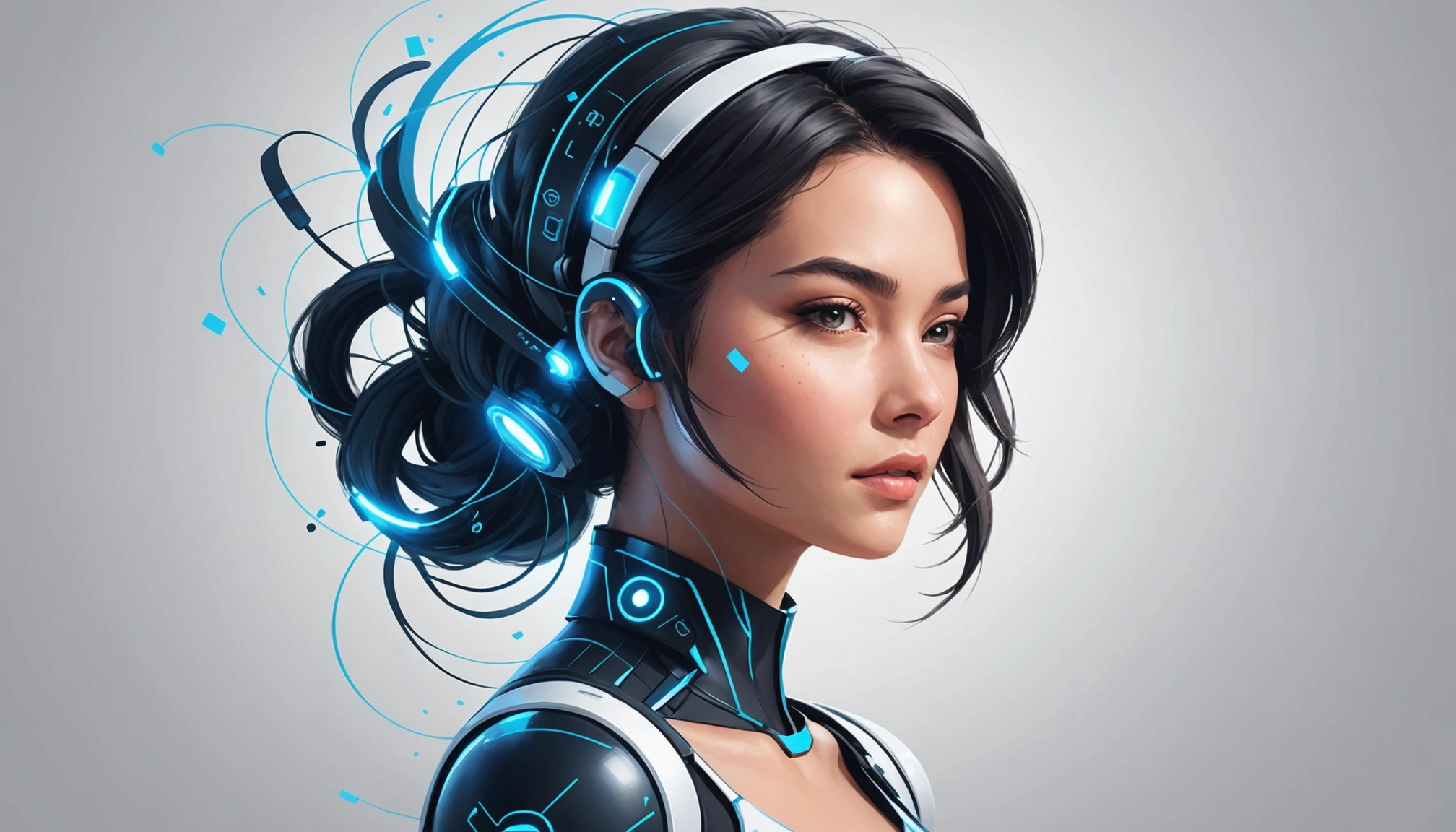
Let’s chat about Firefly alternatives for fashion branding. If you’ve been exploring AI-powered design tools, you know Adobe Firefly has made waves with its generative art for fashion-focused projects. But honestly, it’s not the perfect fit for every brand or creative workflow. The fashion industry demands specialized tools that understand the nuances of fabric, silhouette, and brand storytelling—something Firefly sometimes struggles with when pushing the boundaries of creativity.
What Makes a Fashion Design Tool Essential
Finding the right design tool isn’t just about generating pretty pictures. It’s about finding something that speaks your brand’s language fluently. I’ve worked with countless fashion entrepreneurs who learned this lesson the hard way after wasting months on tools that couldn’t capture their unique aesthetic vision.
The most effective fashion design tools blend creative freedom with technical precision. They need to recognize how different fabrics drape, how colors translate across digital and physical mediums, and how to maintain consistency across your entire brand identity. Without these fundamentals, you’re just making digital art, not building a fashion brand.
Key Observation: The gap between generic AI art generators and fashion-specific tools is wider than most designers realize before they’re deep into their creative process.
Imagine dedicating weeks to developing a stunning campaign visual only to realize your chosen tool can’t properly render the metallic sheen of your signature fabric or the intricate embroidery that defines your new collection. That’s precisely why having alternatives to Firefly isn’t just practical—it’s essential for brand integrity.
Top Firefly Alternatives for Concept Development
1. Proxyle Design Suite
Our own design solution was specifically built with fashion brands in mind. I’ve seen clients transform their entire creative workflow after switching from generic tools to our platform. The textile simulation engine alone saves our clients approximately 12 hours per week in concept refinement.
2. CLO3D
Yes, it’s primarily a 3D fashion design software, but its conceptual sketching features rival some of the best AI generators. The benefit? Your concept transitions seamlessly into technical development without losing any creative integrity.
3. Designovel
This tool combines AI fashion design with trend forecasting capabilities. Imagine simultaneously generating designs while analyzing market reception of similar aesthetics. It’s like having your creative director and market analyst working as one.
4. ZBrush
If your fashion brand leans toward avant-garde or highly sculptural designs, ZBrush remains unmatched. Its 3D modeling provides depth that most 2D generators can’t replicate, crucial for visualizing complex structural elements.
5. Vue.ai Fashion Suite
What impresses me most about Vue.ai is its understanding of garment construction. The AI recognizes pleats, gathers, and draping nuances that fundamentally change how a design translates from concept to creation.
6. Tailornova
For ready-to-wear brands focused on fit and proportion, this tool generates designs based on real body measurements. It addresses a common frustration I hear from clients—how to ensure their digital concepts flatter actual human bodies.
7. Pixelmator Pro
Don’t underestimate this powerhouse. Its machine learning-enhanced tools create stunning fashion illustrations with a more traditional artistic feel than most AI generators. Sometimes, the path forward is actually backward—to more artistic control.
Fashion Concept vs. Production Reality
Most tools excel at either creative ideation OR technical precision—but rarely both. The sweet spot is finding a solution that bridges this divide without forcing you to completely restart your workflow.
8. Figma
Originally designed for UI/UX, Figma has surprisingly robust vector capabilities perfect for flat sketches and textile pattern repeats. Its collaborative features make it ideal for design teams working remotely on concept development.
Best Options for Production & Technical Design
9. TUKA3D
This technical powerhouse seamlessly connects your design vision with production realities. We often recommend it to clients who’ve struggled with the disconnect between beautiful concepts and manufacturable garments.
10. Browzwear
The industry standard for 3D prototyping, Browzwear’s AI components significantly reduce the need for physical samples. I’ve worked with luxury brands that cut their seasonal sampling budget by 70% after implementing this solution.
11. Gerber Technology
Though traditional in approach, Gerber’s pattern making software incorporates AI that anticipates production challenges before fabric is ever cut. That’s the kind of foresight that separates successful launches from logistical nightmares.
Digital Pattern Workflow
Digital patterns → Virtual fit testing → Material optimization → Grading automation → Production-ready files
12. Marvelous Designer
Known for realistic fabric simulation, this tool is indispensable when your brand’s identity hinges on specific draping qualities. The way it renders silk versus denim versus technical fabrics is remarkably nuanced.
13. Happy Projects
This European-developed platform specializes in knitwear design, with AI that calculates yarn consumption and suggests stitch variations based on your aesthetic input. For knit-focused brands, it’s absolutely worth the investment.
14. Adobe Illustrator + Pattern-Cut Plugin
Sometimes the innovation isn’t in finding entirely new software but augmenting tools you already know. This combination transforms Illustrator into a surprisingly efficient technical design solution.
15. Lotta Virtual Work
Developed by Lectra specifically for fashion, Lotta’s virtual prototyping capabilities include realistic fit and movement simulation. I’ve seen brands avoid entire re-runs simply by discovering fit issues during virtual sampling.
16. CorelDRAW Graphics Suite
Another traditional software enhanced by AI features, CorelDRAW excels at technical flat drawings and textile pattern creation. Its vector precision remains superior to many newer tools for manufacturing specifications.
Production Integration Checklist
Material optimization: Does the tool reduce fabric waste in production planning?
Manufacturer compatibility: Can your production partners work with the output files?
Version control: How does the system track design iter
Quality assurance: Are built-in checks for technical specifications included?
Creative Tools for Marketing & Brand Identity
17. Canva Pro for Fashion
Before you dismiss this as too basic, hear me out. The Pro version’s background remover and brand kit features make it surprisingly powerful for creating consistent marketing materials across seasons. It’s the accessibility that makes it valuable for growing brands.
18. Midjourney
While not specifically fashion-focused, Midjourney’s artistic sensibility excels at creating mood boards and campaign concepts. The secret is learning to craft prompts that reference fashion history, textile properties, and specific aesthetic movements.
19. Stable Diffusion with Custom Models
For brands with highly defined aesthetics, training custom models on your visual history can generate exceptionally on-brand variations. One of our clients built a model trained exclusively on their archived runway shows for reimagining classic pieces.
20. Proxyle’s Novassium AI Generator
Our text to image platform specifically understands fashion terminology and conceptualizes garments with proper attention to proportion, fabric behavior, and editorial styling. It addresses many of the limitations we observed in generic options like Firefly.
Insider Observation: The most innovative brands aren’t using these tools as replacements for creativity but as extensions of their existing vision—pushing concepts further rather than starting from scratch.
21. Artbreeder
This collaborative AI tool allows you to "breed" different design elements together, creating unexpected yet harmonious variations. It’s particularly effective for textile pattern development where traditional approaches often lead to predictable results.
22. RunwayML
Beyond image generation, RunwayML’s video editing tools create compelling motion content for social campaigns. Think of it as bringing your static designs to life without expensive video production.
23. Levis Patent Digital Fashion Suite
If you’re exploring virtual fashion or NFT collections, this platform provides the infrastructure to create and monetize digital garments. The metaverse wardrobe is coming faster than most brands realize.
24. Blender with Dedicated Fashion Plugins
The open-source 3D ecosystem has developed remarkably sophisticated fashion tools. Coupled with our Retouch Lab extension for post-production enhancement, it creates a complete workflow from concept to final imagery.
25. DALL-E 3 with Fashion-Specific Prompting
Yes, it’s the tool everyone knows, but few have mastered the specificity needed for fashion applications. The key is architectural-style prompts that specify hemlines, silhouettes, fabric weights, and historical fashion references.
Quick Win: Create a prompt template that includes your brand’s essential elements—color palette keywords, silhouette preferences, fabric focus areas, and mood references—to maintain consistency across AI generations.
Final Thoughts
The fashion industry’s relationship with design tools has always evolved alongside technological advances. Today’s explosion of AI options isn’t replacing human creativity—it’s amplifying our capacity to visualize, refine, and articulate our creative visions.
I’ve seen too many brands rush into adopting the trendiest new tool without first auditing their actual needs. Before committing to any platform, ask yourself: What specific aspect of our creative process needs enhancement? Are we struggling with concept generation, technical development, or marketing execution? How will this tool integrate with our existing workflow rather than disrupt it?
The right Firefly alternatives shouldn’t just replace what you’re doing now—they should elevate what you’re capable of doing next. The perfect tool exists somewhere at the intersection of your brand’s aesthetic identity and your production realities. Finding it might require some experimentation, but the payoff in creative freedom and production efficiency is worth the exploration.
Whether you’re drawn to specialized fashion software or enhanced all-purpose options, remember that technology should serve your vision—not dictate it. Your brand’s unique perspective remains your most valuable asset; these tools are simply means to express it more effectively.
Ready to explore which of these alternatives might transform your creative process? Let’s chat about your brand’s specific challenges and goals. We’ve helped hundreds of fashion entrepreneurs find their perfect tool combination, and we’d love to help you discover yours next.